Packraft Guide 2025: Everything You Need to Know
What is a Packraft?
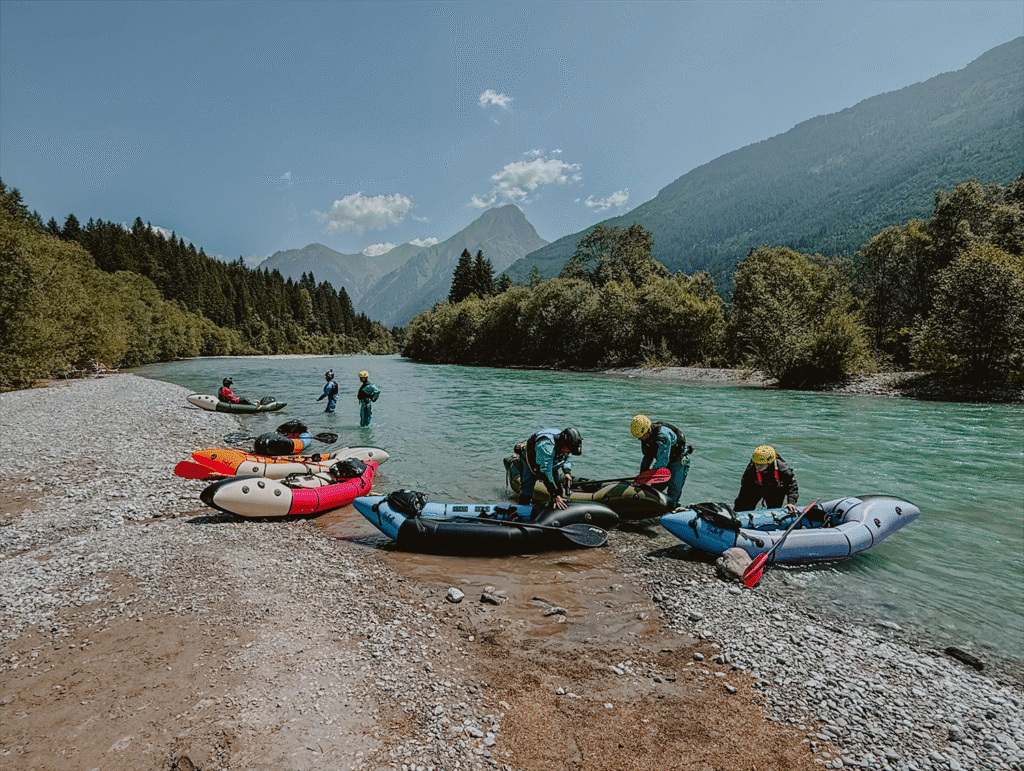
Definition and Origin of Packrafting
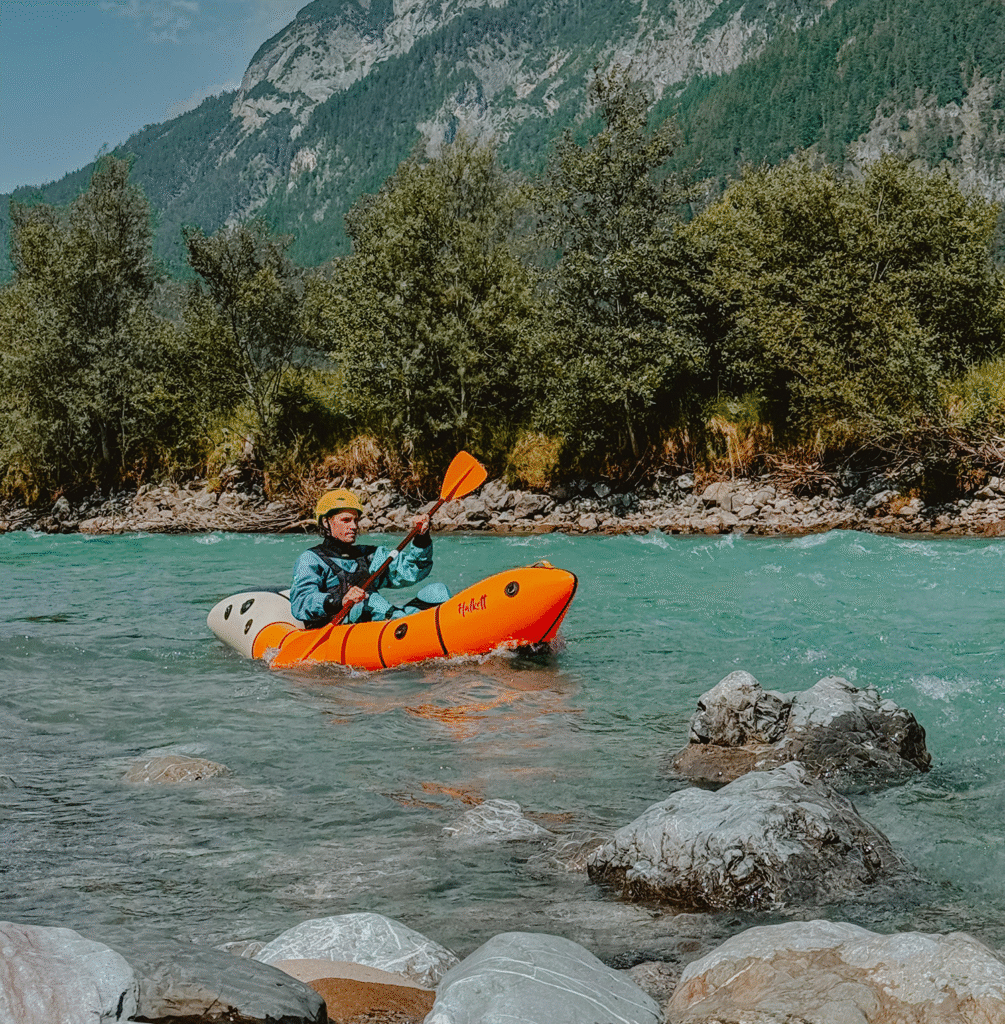
A packraft is an ultralight, inflatable boat that you can easily carry in your backpack. The idea originated in Alaska, where adventurers often had to travel long distances through pristine nature, encountering rivers along the way. The packraft made it possible to smoothly combine stretches of land and water in one trip.
Unlike a kayak, canoe or raft, a packraft is much lighter and more compact. Whereas a traditional kayak or canoe is often heavy and awkward to carry, a packraft even fits in a pannier. This makes it ideal for trekking, bikepacking, fishing, expeditions and even day trips. Imagine: you’re hiking through the woods, come across a river, inflate your packraft and cross easily.
The popularity of the packraft is growing rapidly in Europe, especially among outdoor enthusiasts seeking flexibility. According to recent figures, the number of packrafters in the Netherlands and Belgium has doubled in recent years. By 2025, the focus is increasingly on sustainability, with innovative materials and recycled fabrics. Want to know more about its fascinating history? Then read on at the History of packrafting.
Benefits of Packrafting
A packraft’s greatest strength lies in its ultralight and compact design. On average, a packraft weighs between 2 and 5 pounds, making it effortless to carry in your backpack or on your bike. This means you can plan routes that combine hiking, biking and boating without logistical constraints.
Packrafting is incredibly versatile. You can paddle quietly across a lake, conquer a fast-flowing river or use a two-person packraft with a friend. Inflating and packing a packraft usually takes less than 10 minutes, keeping you flexible along the way.
The beauty is that packrafting is accessible to both beginners and experts. Beginners enjoy the stability and ease of use, while experienced adventurers seek technical challenges on wild waters. Thanks to the packraft, you will discover places you would never go otherwise. Think of a hidden lake deep in the forest, accessible only through a combination of hiking and boating.
In short, with a packraft you expand your adventurous horizons and enjoy unprecedented freedom on the water.
Types of Packrafts and Key Brands
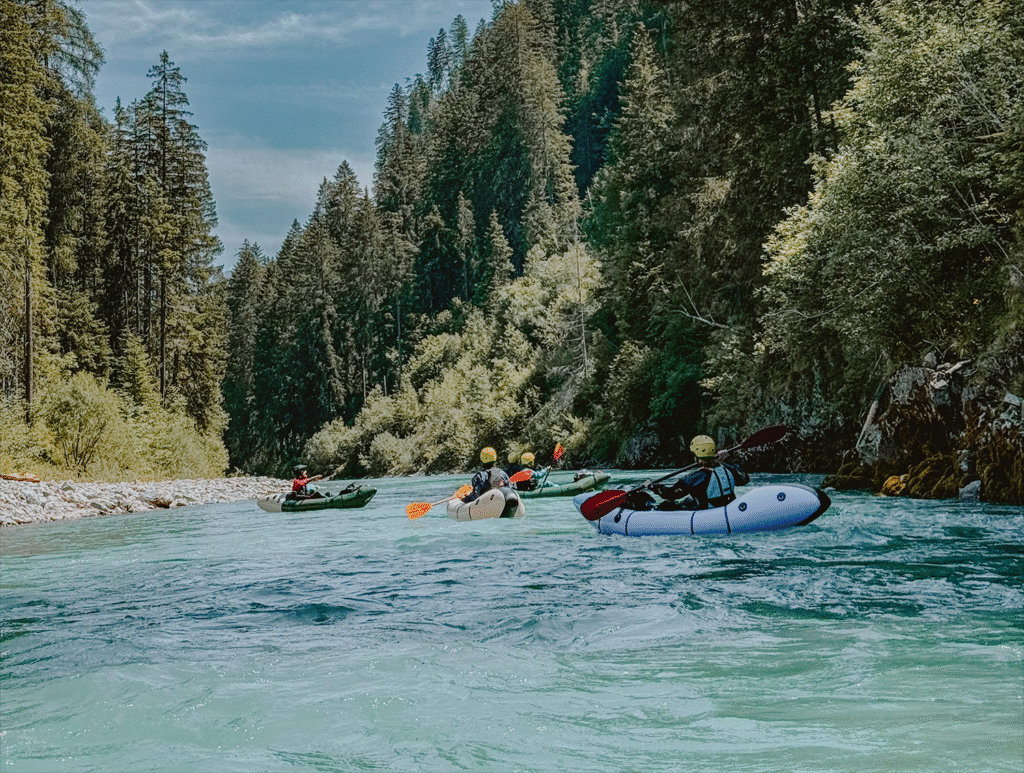
Different Type of Packrafts
Choosing a packraft starts with the type of trip you want to take. All-round packrafts are ideal for beginners and recreational trips on calm waters. They combine stability with maneuverability, making them suitable for lakes, canals and flat rivers.
Wildwater packrafts are more ruggedly built. They often have a spray sail and a self-draining bottom, so you navigate safely through rapids and waves. For couples or families, there are two-person packrafts. These offer extra space and carrying capacity, so you paddle comfortably together.
Bikepacking packrafts are specially designed to easily carry bikes or luggage. Smart attachment points and a custom design allow you to safely transport your bike on the packraft.
The difference is in length, width and weight capacity. Shorter packrafts are more maneuverable, longer models offer more stability and luggage space. Depending on the type, the carrying capacity varies from 120 to over 250 kg. So you can always choose a packraft that suits your route and company.
Key Brands and Innovations
| Brand | Material | Weight | Price Range | Warranty |
|---|---|---|---|---|
| Alpacka | TPU | 2-4 kg | €900-€1800 | Lifetime |
| Halkett | TPU | 2-3.5 kg | €800-€1400 | Lifetime |
| Aqua Design | TPU | 3-5 kg | €400-€900 | 2 years |
| Kokopelli | Nylon/TPU | 2-4 kg | €700-€1500 | 3 years |
| Mekong | TPU | 2.5-5 kg | €500-€1200 | 2 years |
In 2025, it’s all about innovation. Think faster inflators, recycled materials and modular accessories that personalize your packraft experience. Also growing are community events, such as the annual Packraft Festival 2025, where you’ll discover new brands, techniques and routes.
The top 3 most sold packraft models in the Netherlands are versatile all-rounders, followed by light whitewater models and compact two-person packrafts. Prices range from €400 for a simple entry-level packraft to €1800 for high-end expedition packrafts. Whichever packraft you choose, there is always a perfect match for your adventure.
Buying or Renting a Packraft: What to look out for?
Key Choice Criteria
Before you purchase or rent a packraft, determine the purpose of your trip. Are you going for a relaxing day trip on calm water, a challenging expedition, whitewater adventure or family outing? This will determine which type of packraft is the best fit.
Pay attention to weight and pack volume. An ultralight packraft (2-5 kg) is ideal for those who want to carry it in a backpack or pannier. The carrying capacity is just as important: calculate the total weight of user plus luggage so there are no surprises.
Material choice plays a big role. Choose durable, puncture-resistant fabrics that are easy to repair. The inflation system varies from mouth pump to electric pump. Also consider value for money: what do you get for your budget, and what about warranty and service from the supplier?
Checklist selection criteria:
- Purpose of use (day trip, expedition, whitewater, family)
- Weight & packing volume (ease of transport)
- Carrying capacity (user + luggage)
- Material & durability
- Inflating system (mouth, foot, electric)
- Price-qualityGuarantee & service
These points will help you choose a packraft that suits your adventures.
New vs. Second-hand vs. Rent
Are you hesitating between buying and renting? Each scenario has its own advantages. Buying a new packraft means warranty, the latest technology and no hidden defects. That gives security, but requires a higher investment.
Buying a packraft second-hand can save quite a bit in price, but pay close attention to signs of wear, leaks or repairs. Check valves, seams and material for strength.
Renting is ideal if you want to discover if packrafting suits you. You test different models without a big investment. Especially for occasional use or if you don’t have storage space, renting is a smart choice.
| Option | Average cost | Advantages | Disadvantages |
|---|---|---|---|
| New | €900 - €1800 | Warranty, latest models | Expensive to buy |
| Second hand | €400 - €900 | Cheaper, durable | Chance of wear and tear |
| Rent | €30 - €50 p/day | No investment, flexible | More expensive in the long run |
Packraft rental at Rent a Packraft
A unique feature is access to pre-built trails (“Packraft Trails”) and an active community of adventurers. You don’t have to pay a deposit and are insured for minor damages. Thanks to membership, you benefit from special deals.
For both beginners and experienced packrafters, rentals are ideal for testing various models, discovering new routes and sharing the packraft experience with others. If you want to get started quickly and hassle-free, then Packraft rental from Rent a Packraft highly recommended
Essential Packraft Equipment and Accessories
Basic Equipment for Safety and Comfort
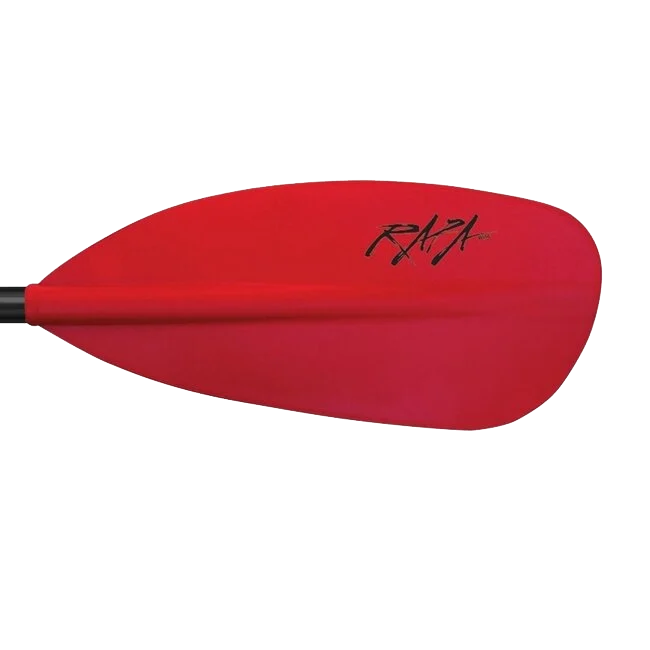
A light, detachable paddle is essential for any packraft trip. Choose a length that suits your height and type of water. A proper life jacket (PFD) is mandatory on whitewater and highly recommended on lakes or rivers. This ensures your safety even in unexpected situations.
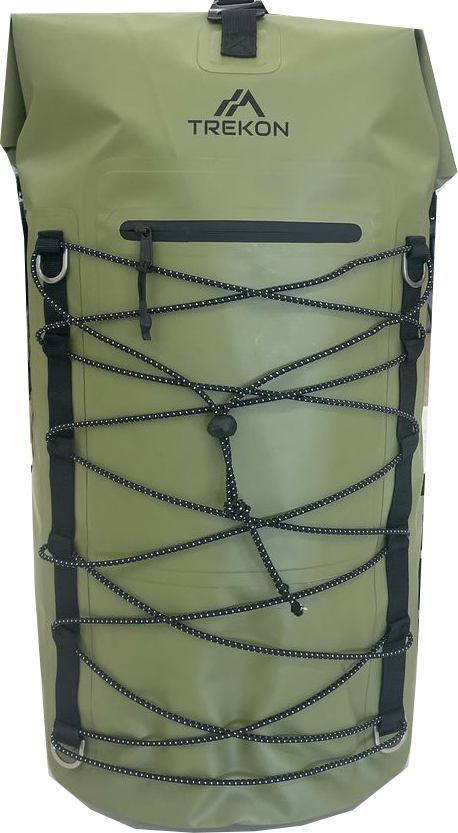
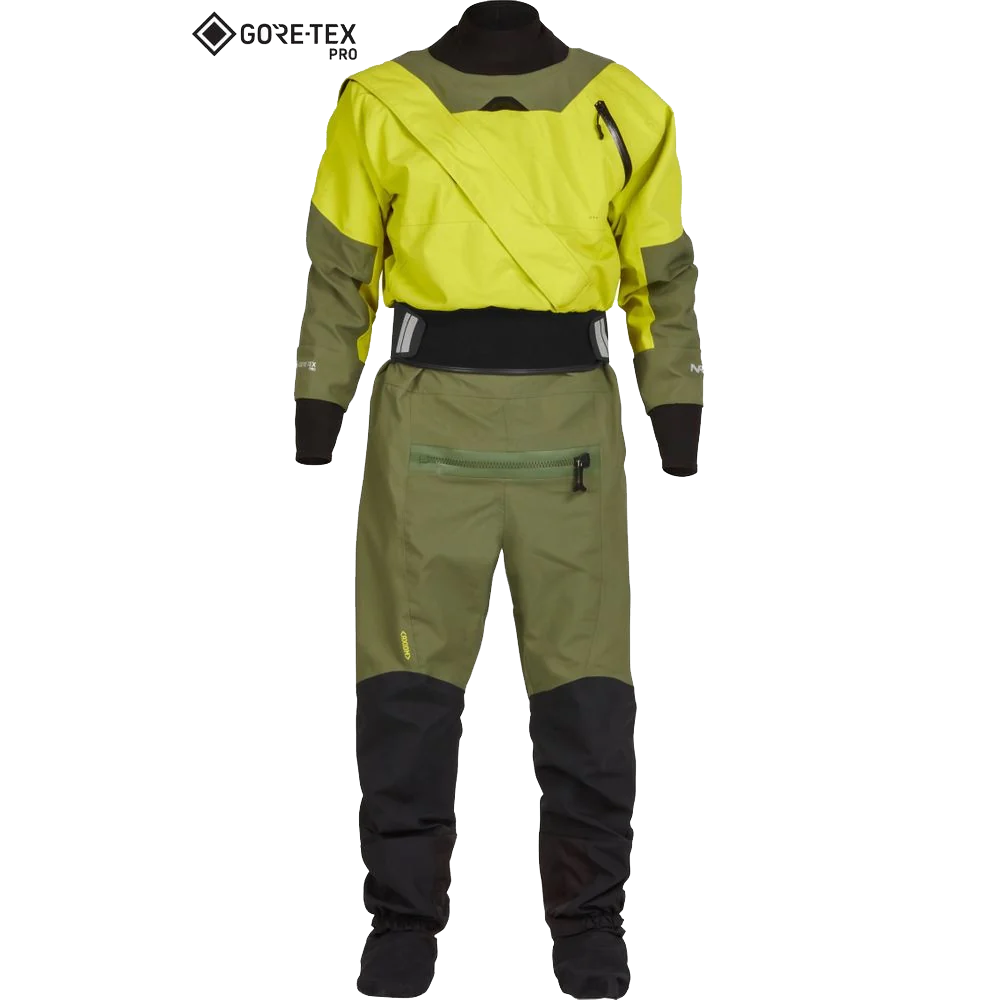
Protection from the cold is essential. A dry suit or wetsuit prevents hypothermia, especially in cold water or changeable weather. Waterproof bags or barrels keep all your luggage dry even if your packraft flips over. Also, don’t forget a compact repair kit: it includes adhesive material, a valve tool and spare parts to quickly fix minor problems along the way.
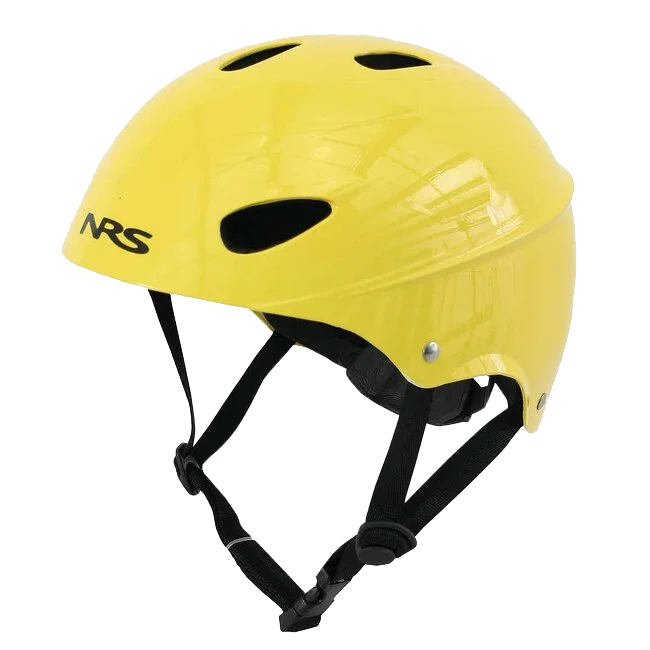
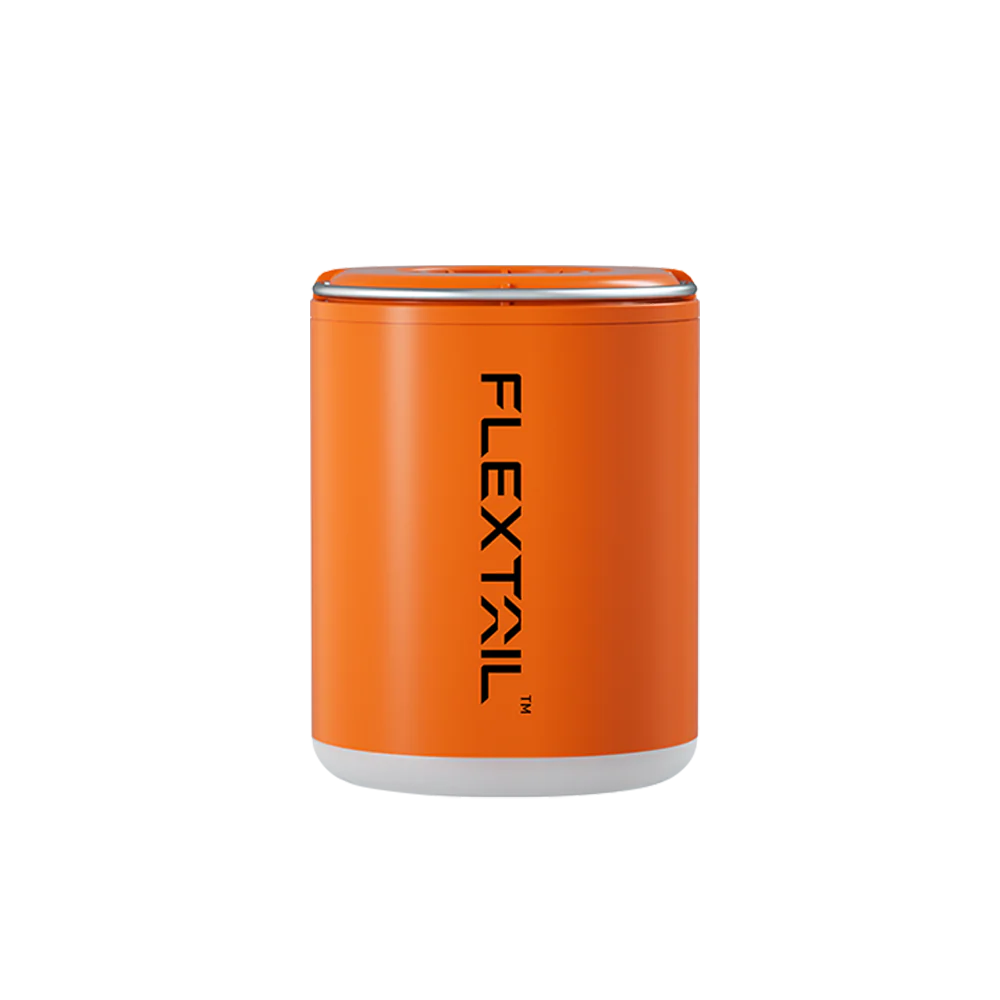
An electric or hand pump makes inflating your packraft quick and easy. On whitewater trails, a helmet is mandatory, and wise on any rocky stretch. That way you’ll be well prepared and safe on the trail.
Want an overview of all the gear needed? Check out the complete overview of essential packraft equipment for a handy checklist. That way you won’t miss anything and you’ll step into your packraft with confidence.
Useful Extras and New Trends
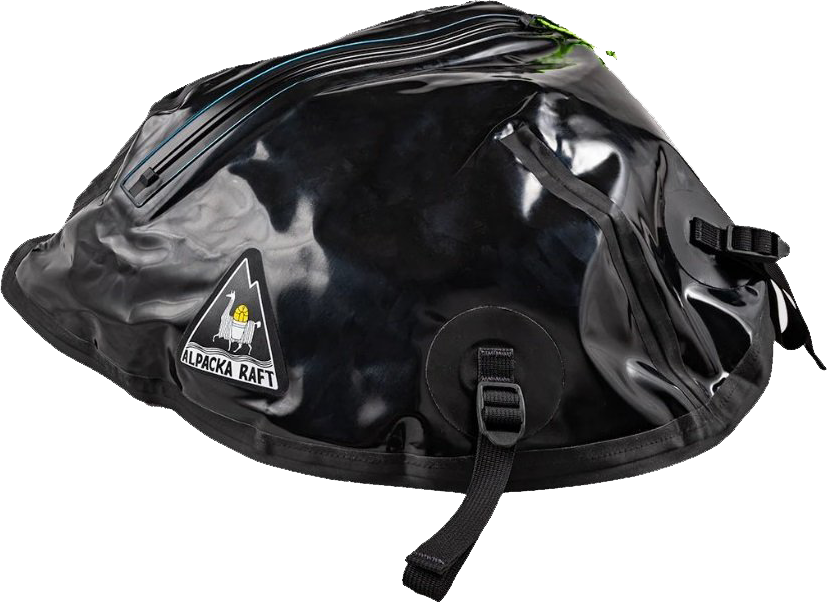
In addition to the basic equipment, there are handy extras that make your packraft experience even more comfortable or safe. A splash sail protects you from splashing water and rain. A throw bag and tow line are indispensable in flowing water: they increase safety in emergencies.
Also consider navigation: a GPS, paper map or smartphone in a waterproof case will help you find your route. For comfort along the way, there are compact seats, backrests and a bow bag for extra storage. Innovations in 2025 focus on ultralight materials and modular accessories that make your packraft adventure lighter and more flexible.
A recent poll of Dutch packrafters shows that the top 5 most chosen accessories include: splash tarp, waterproof bag, helmet, throw bag and compact chairs. So you see: with the right gear, every trip becomes a pleasure.
Safety, Rules and Practical Tips
Safety Regulations and Legislation
A packraft takes you to places you would not normally go easily, but also has specific rules. On Dutch and Belgian waters, an approved life jacket is mandatory, especially in whitewater or on larger lakes. Always check whether you need a permit, especially in protected natural areas. Some waterways are only accessible to non-motorized boats; that includes your packraft.
Pay close attention to weather conditions. Wind, current and water temperature can change quickly. Check the weather forecast before you leave and adjust your route if necessary. Always share your route with someone staying at home and agree on a time when you will be expected back.
Going packrafting in a group? Keep the group together and coordinate who takes the lead. Always bring a first aid kit and make sure you have emergency signals, such as a whistle or waterproof phone. Properly distributing luggage in your packraft provides more stability and prevents capsizing.
Practical Tips for Beginners and Advanced Learners
Whether you are just starting out or have been out and about with a packraft before, practice remains essential. Try inflating and packing beforehand so there are no surprises at the water’s edge. Also practice getting in and out, especially if you’re traveling with a heavy backpack. Good paddling technique will make your trip a lot more efficient and safe.
When packing your packraft, pay attention to weight distribution. Keeping heavy gear as close to center and low as possible helps it stay stable. Recognize hazards along the way, such as low bridges, overhanging branches or unexpected currents. Keep adequate distance from obstacles and stay alert.
Always wear comfortable, quick-drying clothing and remember to have plenty of water and energy-rich snacks. Common beginner mistakes include not enough clothing against the cold, not bringing a repair kit or choosing a route that is too tough. Want to know more about smart preparation and common mistakes? Then be sure to check out these tips For novice packrafters. This is how to get the most out of your packraft adventure!
The Most Beautiful Packraft Routes in the Netherlands and Belgium
Popular Routes and Destinations
The Netherlands offers surprising variety for the packraft enthusiast. The Biesbosch is an absolute favorite: here you paddle your packraft through a maze of willow forests and creeks. Curious about an elaborate route? Then be sure to check out these packraft routes in the Netherlands for inspiration.
The Kromme Rijn is also popular among packrafters. You cruise past historic towns, orchards and quiet nature. In Friesland you can combine endlessly: lakes, canals and picturesque villages make every trip different. For those looking for more of a challenge, the Belgian Ardennes are a dream: wild rivers, rock formations and sometimes even slight rapids make each packraft trip unique.
An overview of popular packraft destinations:
The Biesbosch: adventurous maze of creeks.
The Kromme Rijn: culture and nature in one trip.
Belgian Ardennes: whitewater and rugged nature.
Friesland: multi-day packraft expeditions across lakes.
According to recent figures, in 2024 most Dutch packrafters chose routes in the Biesbosch and the Ardennes. The packraft community is growing rapidly and more and more routes are being discovered each year.
Tips for Route Planning and Navigation
Good preparation will make your packraft experience even more fun and safer. Start by choosing a route that suits your experience and weather conditions. Use GPS or offline maps to avoid getting lost, especially in vast natural areas. The Interactive Packrafting Map Europe helps you find new packraft routes throughout Europe, including the Netherlands and Belgium.
Always pay attention to local rules: in some nature reserves, packrafts are only allowed on certain routes or special camping rules apply. Find out in advance if you need a permit. For multi-day trips, wild camping spots are often scarce, so plan your overnight stays smartly.
Pack your packraft trip with extra adventure by participating in annual packraft events or group trips. This way, you’ll learn new routes and share experiences with other enthusiasts. Don’t forget to share your route with people back home, so you’re always safe on the road.
Packraft Maintenance, Repair and Durability
Packraft Maintenance, Repair and Durability
Maintenance Tips for a Long Life
Regular maintenance significantly extends the life of your packraft. Rinse your packraft thoroughly with clean water after each use to remove sand, mud and salt. Use a mild detergent if there is stubborn dirt on it, and avoid harsh chemicals.
Always let your packraft dry completely before storing it. A damp packraft can cause mold or unpleasant odors. Store it in a cool, dry place, out of direct sunlight, to prevent material fatigue.
Check your packraft regularly for small leaks or damage, especially after trips with sharp rocks or branches. A simple repair kit comes standard with your gear; patch small holes immediately to prevent larger damage. Many packrafters share their maintenance experiences and tips through the Anfibio Packrafting Blog, where you’ll also find helpful how-to’s.
Common damages are small holes, leaking valves or cracks at seams. Quick fixes include using patch material or a valve tool for immediate repair on the go. Following this routine will keep your packraft reliable and safe.
Sustainability and Environmentally Conscious Packrafting
Sustainable packrafting starts with your choice of materials. More and more brands are using recycled fabrics or PVC-free alternatives. When purchasing, ask what your packraft is made of and consciously choose sustainable options.
During your adventure, environmentally friendly behavior is essential. Don’t leave trash behind, stay on existing routes and respect sensitive natural areas. Always bring a trash bag and join clean-up packraft trips if you get the chance.
Don’t just throw away an old packraft: many parts can be recycled or reused. Some manufacturers even offer recycling programs. The trend for 2025 is clear: outdoor enthusiasts are increasingly choosing environmentally conscious products and activities.
By collaborating with the community and sharing experiences, you can do your part for a greener future. This way, you not only experience adventure, but you also care for the world in which you sail with your packraft.
So, are you eager to experience adventure on the water yourself? Whether you’re a curious beginner or already a seasoned packrafter, with the right equipment, tips and inspiration from this guide, you can get started right away. The best part: you don’t have to invest in expensive gear or figure everything out yourself. By becoming a member of Rent a Packraft you get access to lightweight equipment, unique routes and a real community of adventurers. This is how packrafting becomes really easy and fun. What are you waiting for? Become a packraft member and find out for yourself!
Frequently Asked Questions
What exactly is a packraft?
A packraft is a lightweight inflatable boat that you can carry in a backpack. They weigh 1 to 4 pounds and are suitable for rivers, lakes and even light rapids.
What is the difference between a packraft and a kayak?
A packraft is lighter, more compact and more versatile than a kayak. You can take it on hikes and launch it anywhere. A kayak is faster on open water but much less portable.
Can I rent a packraft before I buy one?
Yes, that’s exactly why Rent a Packraft exists. Try different brands like Alpacka, Halkett, JAWS and Mekong before you make a purchase. Rent from 21.50 per day, delivered within 24 hours.
Rent from 21.50 per day
Includes paddle and backpack. We deliver to your door within 24 hours. You choose where to go.
No deposit as a member
Free registration. Access to 21+ exclusive routes in NL, BE, DE and FR. Free cancellation up to 14 days in advance.