Packraft Dictionary A-Z

On the road with the Packraft Dictionary: your ultimate guide to packraft adventures
Packrafting is booming. More and more adventurers are discovering this unique combination of hiking and boating, where a collapsible boat gives you access to hidden places in nature that normally remain inaccessible. While packrafting is surprisingly accessible, the terminology surrounding this fast-growing water sport can sometimes be intimidating. That’s why we’re excited to introduce the Packraft Dictionary: a comprehensive guide where you’ll find everything you need to know to start your adventure with confidence.
Why a packraft dictionary, you may ask? Everyone who gets into packrafting sooner or later comes across a variety of terms such as “forward stroke,” “pressure relief valve,” or “self-bailer. While these terms are obvious to experienced packrafters, they can discourage or even deter beginners. This packraft dictionary serves as a bridge between beginner and expert, making even the most technical terms understandable and accessible. With simple, clear descriptions and clear examples, we ensure that anyone can effortlessly enter the world of packrafting.
The packraft dictionary is not just for absolute beginners. Experienced adventurers can also use this reference book to deepen their knowledge and discover new techniques or materials. From essential paddling techniques and safety equipment to specialized materials such as drop stitch floors and ultralight backpacks, everything is covered in detail.
In addition, the packraft dictionary not only helps you get on the water better prepared, but also helps you make better decisions when buying your gear. Knowing the difference between a drysuit and a wetsuit or the pros and cons of different types of paddles can save you time, money AND frustration.
Whether you’re planning your first packraft adventure or an experienced packrafter looking for depth, this packraft dictionary offers valuable insights for every level. Ready to expand your knowledge and get even more out of your adventures? Dive into the dictionary and discover the power of knowledge as you plan your next unforgettable trip.
Dictionary Paddling Techniques
Forward stroke
Reverse stroke
Draw stroke
J-stroke
Sweep stroke
Brace
Packraft terms A-Z
A
Airtight Cell
Alpacka
Anchorage
B
Backrest
Bailer / Self-bailer
Bottom mat
Bow
Bow bag
C
Cam straps
Carbon paddle
Carrying system
D
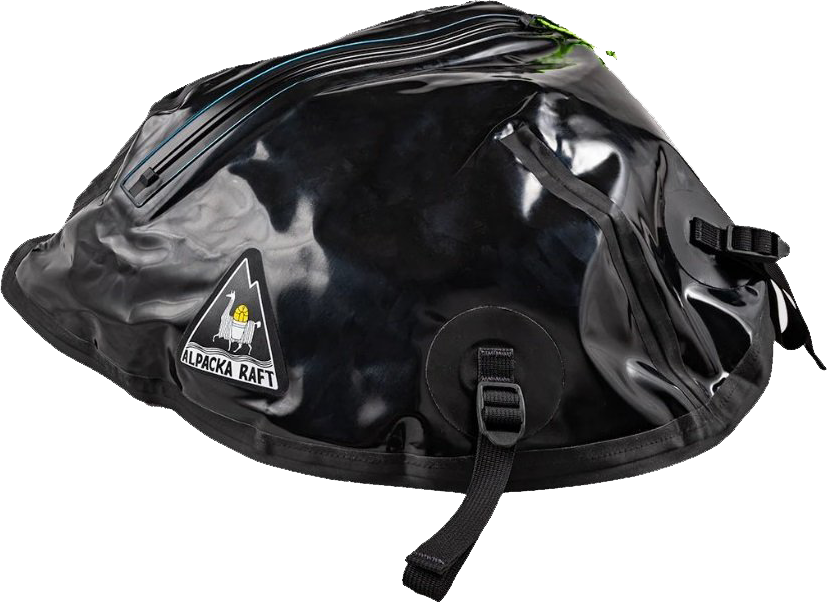
Deckpack
D-ring
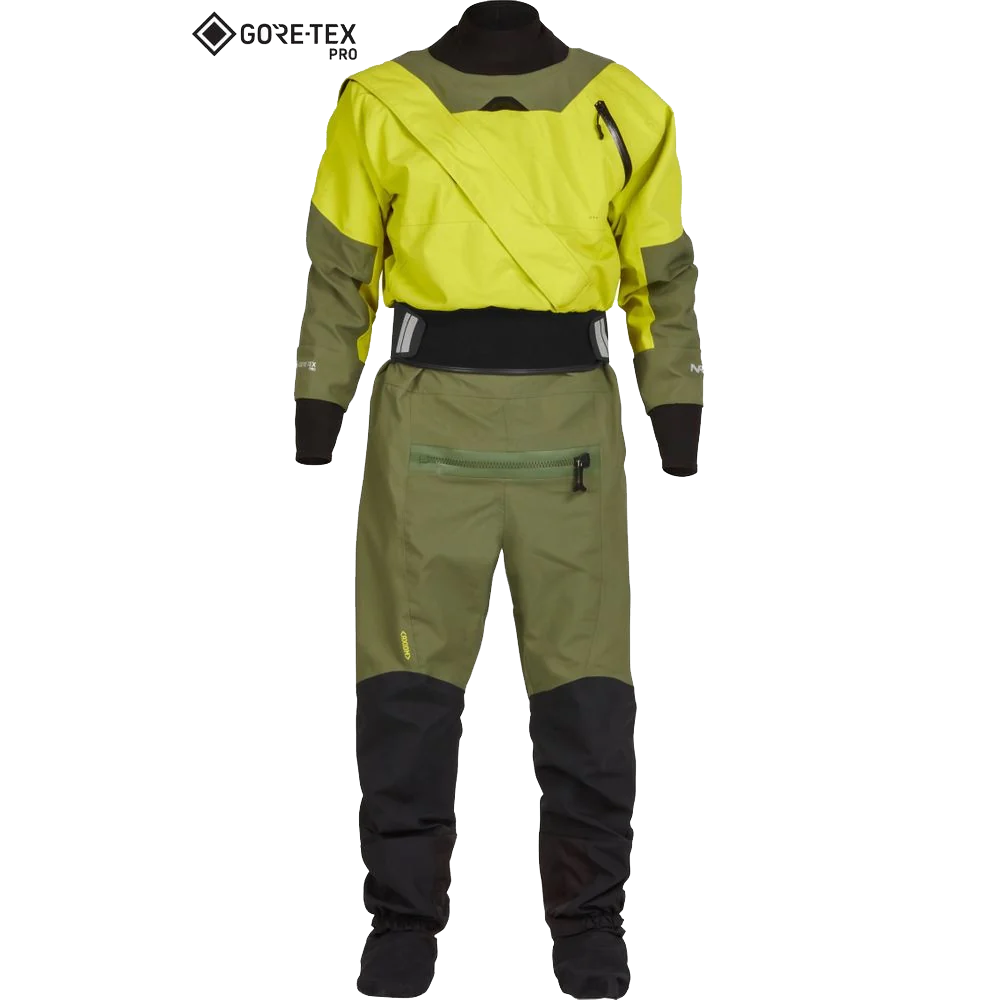
Drysuit
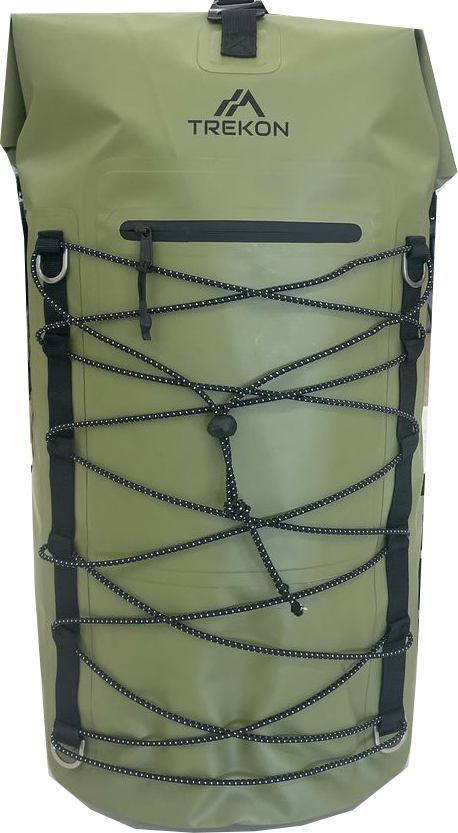
Drybag
Dropstitch floor
E
EVA foam seat
Eskimorol
F
Fast drain holes
Fin / tracking fin
Flatwater
Floatation
G
Gear loops
Grab loop
Gore-Tex
H
Packrafting manual
Hull
Hypalon
I
Inflation bag
Inner tubes
IPX rating
J
Jerry can pump
K
Kneestraps
Button
L
Lash points
Leash
M
Multi-day packraft trip
Modular paddle
N
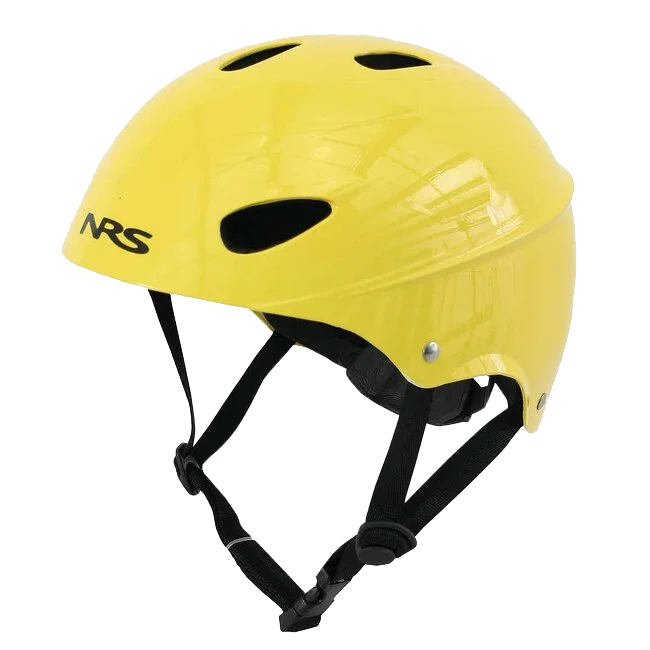
NRS
Nylon
O
Pressure relief valve
Outfitting
P
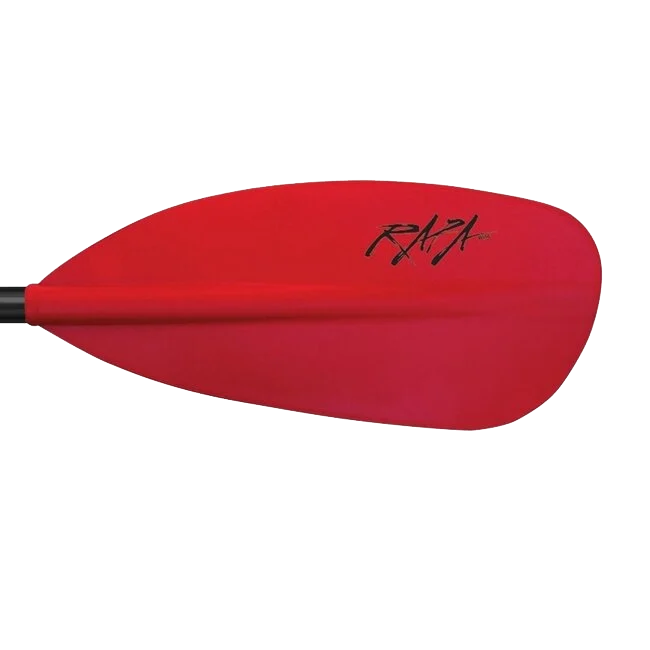
Paddle
Packweight
Portage
PFD
Q
Quick release buckle
R
Rolltop closure
Rudder
Repair kit
S
Sprayskirt
Self-rescue
T
T-grip
Throw bag
U
Ultralight
V
Valve
W
Waders
Law exit
X
X-bed
Y
Y-attachment
Z
Z-drag
Seat
Frequently Asked Questions
What terms do I need to know as a packraft beginner?
The main terms are: whitewater (rapids), eddy (quiet spot behind a rock), ferry (cross at an angle), and high brace (support stroke to avoid capsizing). All terms are in this dictionary.
What does class 1 to 5 mean at rivers?
Class 1 is calm water with no obstacles. Class 2 has light rapids. Class 3 is challenging for advanced students. Class 4 and 5 are for experts. Beginners start at class 1 or 2.
Do I need a course before packrafting?
For Class 1 and 2 water, a course is not required but is helpful. Rent a Packraft provides instructional materials with each rental. For class 3 and above, we strongly recommend a course.
Rent from 21.50 per day
Includes paddle and backpack. We deliver to your door within 24 hours. You choose where to go.
No deposit as a member
Free registration. Access to 21+ exclusive routes in NL, BE, DE and FR. Free cancellation up to 14 days in advance.