Packrafting in winter: here’s how to do it safely (+ packraft rental)
Packrafting in winter: here's how to do it safely and relaxed
Packrafting is already great in the summer, but in the winter it becomes really special. Quieter rivers, fewer people on the trails and that crisp feeling of cold air in your lungs.
But: cold + water = serious risk if you don’t handle it right. In this guide, we’ll help you step by step on your first (or better) winter-packraft trip.
When is winter packrafting safe (and when is it not)?
What clothing do you really need?
How do you plan a trip that stays fun and doesn’t end in wasting away?
What do you take with you in your drybag?
And: how do you easily arrange a packraft to go packrafting in the winter?
Why packrafting in winter is so addictive
A river feels completely different in winter than it does in July or August:
Less crowds – you often have the water almost to yourself.
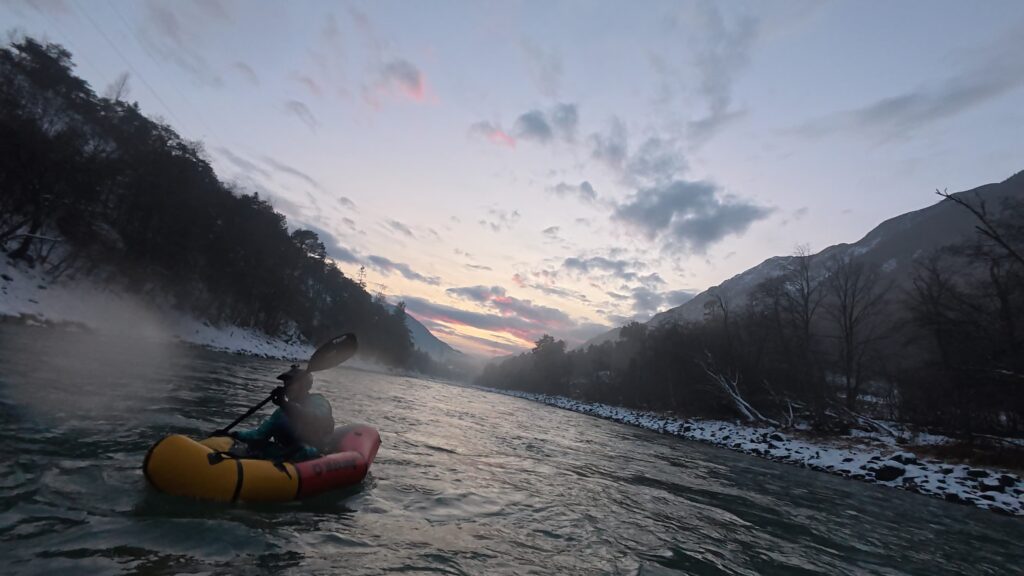
More experience – fog over the water, bare trees, soft winter sun or just drab drama.
More focus – because it is colder, you are automatically more conscious of route, equipment and body.
That’s exactly what many packrafters love about winter trips: you’re really “on.”
Is packrafting safe in winter?
Honestly: it can be done safely, but only if you know what you’re doing and take your preparation seriously.
Key risks:
Cold water – hypothermia or cold shock if you end up in the water.
Short days – you’re in the dark sooner than you think.
Poor conditions – high water levels, high winds, wet snow, icing on the shore.
Winter packrafting is NOT the time to experiment with:
your very first packraft trip ever
solo adventures without experience
technical rivers with many obstacles or strong gradients
Guideline: do you still feel insecure on the water in summer? Then winter packrafting is only wise if you plan very conservatively or go with an experienced group/guide.
At Rent a Packraft, we provide good rental equipment (packrafts, paddles, life jackets and – where available – dry suits and extra winter gear) and clear info on routes and safety. You choose your route and pace, we make it practical and comfortable to set out with the right equipment.
How to start packrafting in winter (roadmap).
1. Choose an easy, relatively short route
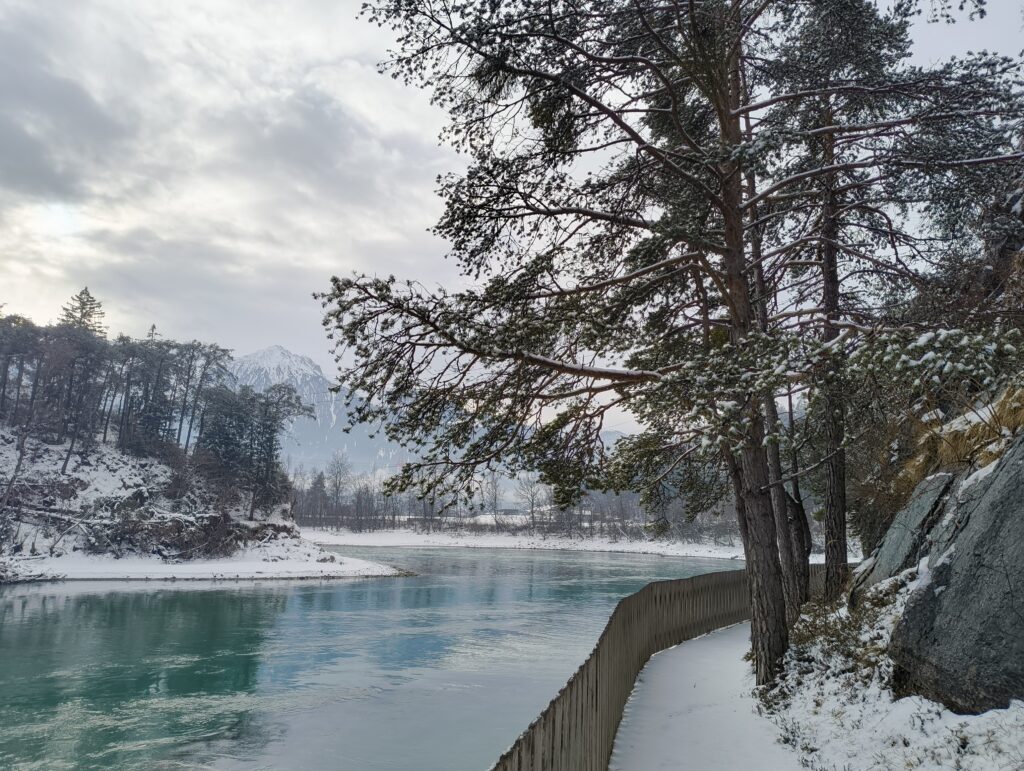
Don’t start with an epic expedition. Choose a route that:
2 to max. 4 hours of effective time on the water.
preferably a track that you have already done in the summer.
has few technical passages, strong currents or complex displacements.
Keep in mind:
water level / flow rate
Boarding and alighting areas that are sometimes muddy or slippery in winter
emergency exits en route (bridges, nearby roads)
Hiring tip: when booking, ask about which routes are suitable in season; we’re happy to think with you.
2. Check the weather and water levels
It’s not just the temperature that counts, but especially the combination:
temperature
wind chill (wind!)
precipitation (rain, sleet)
Ideal conditions:
dry day
little wind
stable or known water level
Having doubts? Then “don’t go” or adjust your plan is the best choice. The river is not running.
3. Don't go out on the water alone
In winter, if you have a problem, you want help nearby right away.
Preferably go with at least two boats.
No buddy? Then meet with someone on the side anyway:
starting point, route and time of return
“panic time” at which they should sound the alarm if you haven’t let them know anything yet
4. Plan with the dark in mind
Check sunrise and sunset.
Plan your trip so that you get to land well before dark.
Count delays: packing, changing, breaks, route finding.
A simple rule of thumb:
What you think is “half a day” is often just a short trip in winter.
What clothing do you need for winter packrafting?
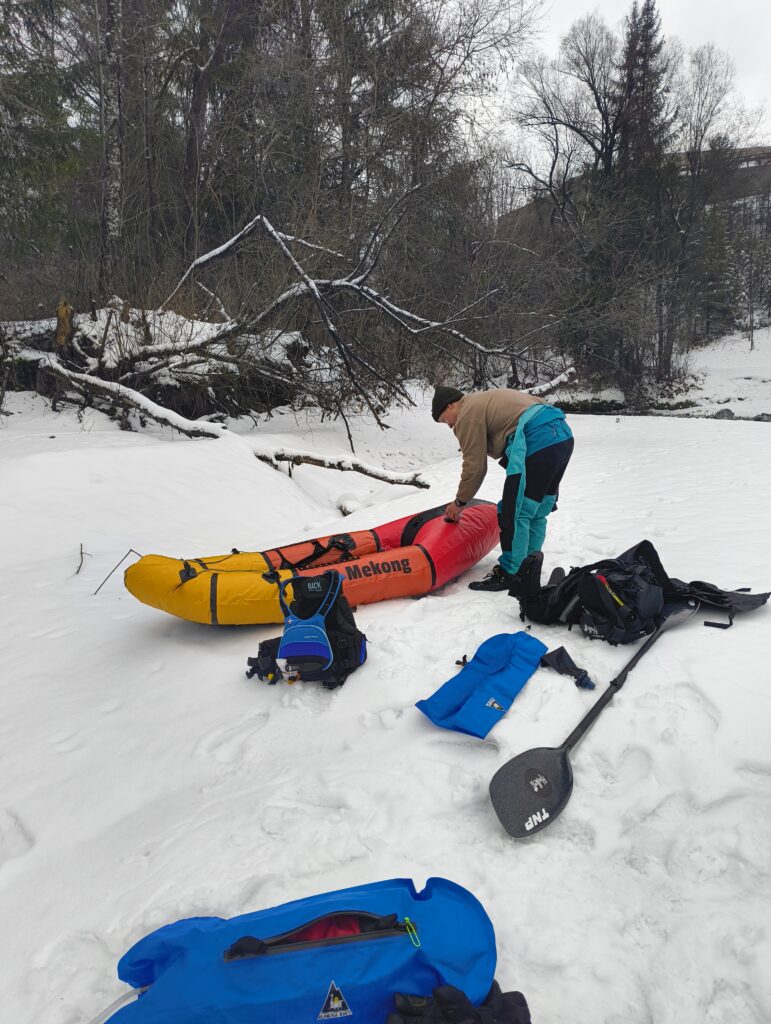
The basics remain: work in layers. But in winter, the margin is much smaller: if you get cold, it often goes fast.
1. Base layer - warm and moisture-wicking
Directly on the skin:
long sleeve thermal shirt
thermal leggings
Important: no cotton. That stays wet and cools your body down at lightning speed.
2. Insulating layer
Above:
fleece or merino wool sweater
possibly extra thin insulating layer if it is really cold
This layer ensures that you retain warmth even if you lie still for a while.
3. Outer layer - waterproof and windproof
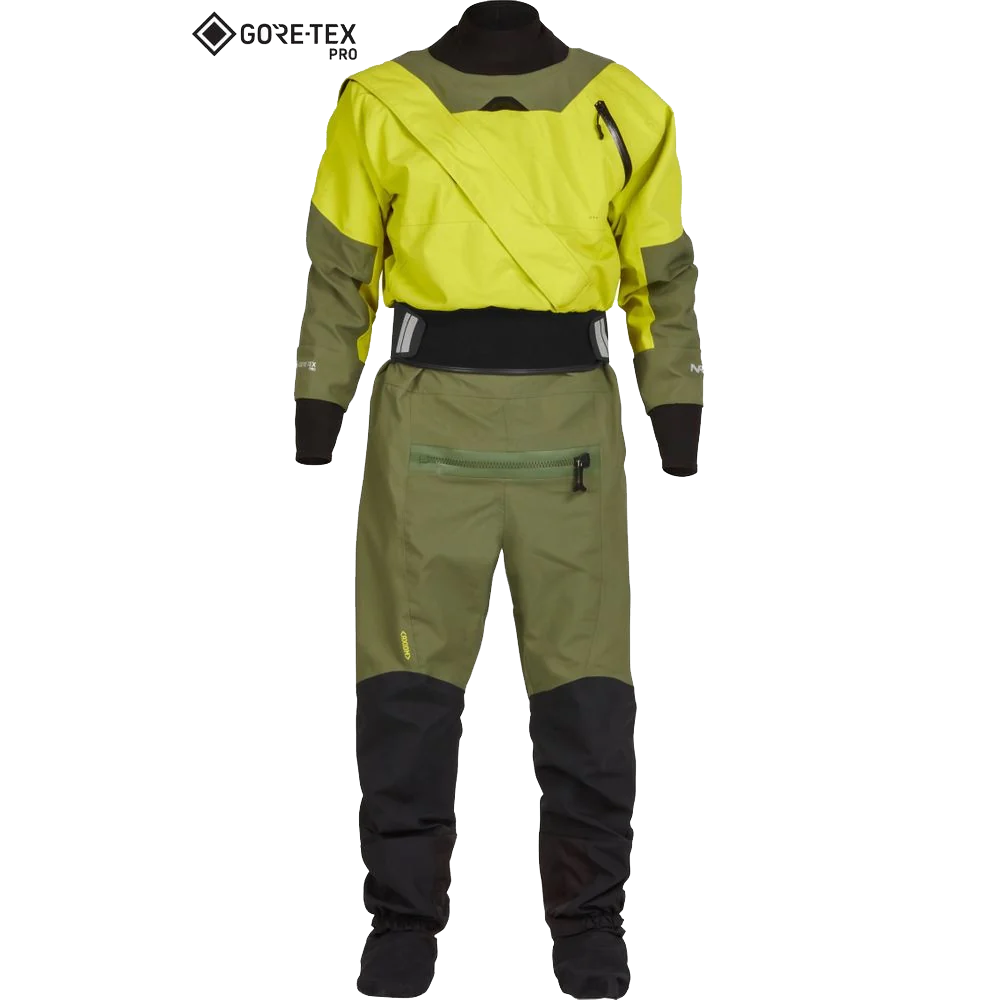
Do you have a drysuit, waterproof socks? Then that’s for winter- packraften ideal. You stay dry even if you flip over once. Under the drysuit, you can play with thermal layers.
At Rent a Packraft, you can rent extra equipment (such as dry suits) in addition to packrafts. That way you don’t have to buy everything yourself right away.
4. Lower body and shoes
sturdy (trail) shoes or water shoes with sufficient grip, combined with warm (merino/ waterproof) socks
Make sure you still have movement: too tight = faster cold feet
5. Hands, head and neck
These are your fastest heat leaks:
neoprene gloves or paddle gloves
extra pair of dry gloves in your drybag
warm hat or beanie
buff or turtleneck to protect your neck
You can avoid a lot of cold with simply a good hat and gloves. Don’t underestimate that.
Safety: this is something you really need to take seriously
Cold shock & hypothermia
If you fall into cold water, your body may react violently:
acceleration of heart rate
gasps/shortness of breath
loss of coordination
Therefore:
practice boarding/ disembarking and handling your packraft during the summer
build winter trips slowly and choose easy routes
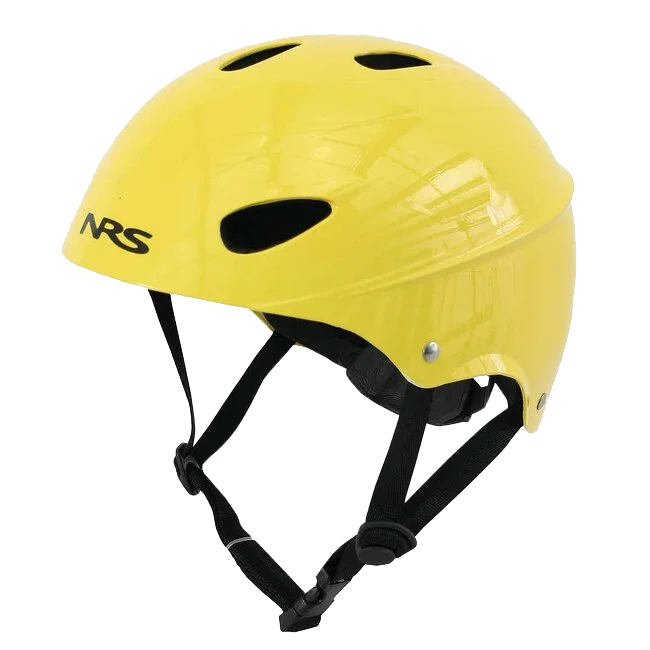
wear a proper helmet, life jacket (PFD), always
Communication & emergency plan
charged phone in waterproof pouch
important phone numbers stored
simple first aid kit + rescue blanket
someone on the side who knows approximately where you are and when you are supposed to be back
Please note that with Rent a Packraft, you rent the equipment and go out on the water independently. You always remain responsible for your own safety and decisions on the water.
Checklist: what to bring during winter packrafting?
In / to your packraft
packraft + pump (included in your rental)
Paddle + any spare paddle
life jacket (PFD)
helmet (especially on rivers with obstacles or higher difficulty)
(possibly) dry suit or wetsuit
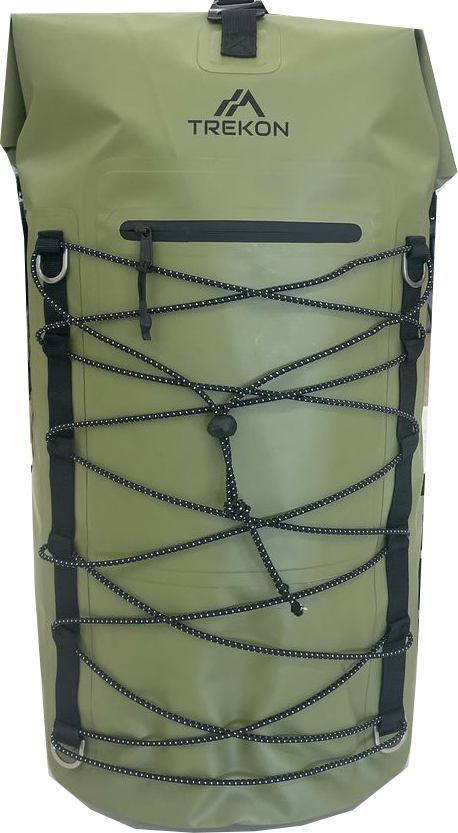
In your drybag
set of dry clothes (underwear, socks, sweater)
extra hat and gloves
headlamp (with full battery)
First aid kit + emergency blanket
powerbank + cable for your phone
high-energy snacks (nuts, bars, dried fruit)
Food & drink
thermos of tea, soup or other hot beverage
sufficient water
something to eat that you really like – that helps mentally when you get cold
Common mistakes in winter packrafting
Do you recognize any of this? Then it’s time to adjust your plan:
choosing too long or too ambitious a route
leaving without checking water levels and weather forecast
do not bring dry spare clothing
going alone on an unknown river
thinking, “it won’t be as cold”
In winter, conservative planning is not a weakness. On the contrary, it is smart.
Why winter packrafting with equipment from Rent a Packraft?
You can buy and pick everything yourself, but you don’t have to. With rental equipment you can try out the winter without having to buy full equipment right away.
At Rent a Packraft:
rent high quality packrafts and accessories (paddle, pump, life jacket, helmet, etc.)
you can rent – subject to availability – additional winter gear, such as dry suits.
Get clear instructions and tips on inflation, packing and safe use
we are happy to show you routes & practical tips to suit your experience and season
material is conveniently delivered (or picked up/returned here), so you can focus on the experience
Ready to packraft in the winter? Rent your packraft here
Are you excited to experience winter from the water?
No need for your own packraft
Option to rent additional winter equipment
Helpful explanations, route suggestions and checklist
👉 Rent your packraft for the winter here
Or would you like to spar about materials and itinerary first?
Feel free to contact us – we’d love to think with you.
FAQ about packrafting in winter
The risk is higher than in summer, mainly due to cold water and short days. But with the right route, clothing, preparation and a realistic assessment of your own experience, winter packrafting is perfectly safe to do. Start simple, choose easy routes and don’t force anything.
A dry suit is not an absolute must, but it makes your margin of safety much greater. Especially on rivers where you have a chance of getting wet, a dry suit is highly recommended. Without a dry suit, you have to plan extra conservatively and pay very close attention to your layers and route choice.
We recommend that only if you plan very carefully and choose an easy route, or go with an experienced group/guide. Doing your very first trip alone in winter on an unfamiliar river is not a good idea. Rather do a trip in the warmer months first, and then build up to winter trips.
It depends on your experience, equipment and route. Around freezing or colder, with sleet and wind, the margin of error becomes very small. In doubt? Don’t go or adjust your plan. The river will be there next week, too.
Stay as calm as possible, focus on staying afloat and getting to shore. Next:
dry clothes on quickly
keep moving to warm up again
hot drink
And if someone is shivering uncontrollably, becoming drowsy or no longer responding clearly: break off draft and seek medical attention.
Winterpackraft gear: what do you need?
| Item | Summer | Winter (required) |
|---|---|---|
| Upper body protection | Quick dry shirt | Dry suit or wetsuit |
| Lower body | Quick dry pants | Thermal underwear + drying pants |
| Hands | Optional | Neoprene gloves |
| Feet | Water sandals | Neoprene boots + wool socks |
| Head | Cap / Helmet required | Neoprene hat or balaclava / helmet required |
| Lifejacket | Mandatory | Mandatory |
Frequently Asked Questions
Is packrafting dangerous in winter?
Packrafting in winter can be done safely if you wear the right protection. A dry suit is essential in water temperatures below 10 degrees. Rent your drysuit easily through Rent a Packraft.
What gear do I need for winterpackrafting?
For winter packrafting, you need at least a dry suit, gloves, hat and life jacket. Rent a Packraft rents out complete winter sets including dry suit and helmet.
Can I rent a packraft in the winter?
Yes, Rent a Packraft is open year-round. You order online and receive your gear within 24 hours at home in the Netherlands and Belgium. Free cancellation up to 14 days in advance.
Rent from 21.50 per day
Includes paddle and backpack. We deliver to your door within 24 hours. You choose where to go.
No deposit as a member
Free registration. Access to 21+ exclusive routes in NL, BE, DE and FR. Free cancellation up to 14 days in advance.